MCUT Participates in Tokushima University Spring School 2026 in Japan: Strengthening International Collaboration and Cultivating Globally Minded Engineering Talent
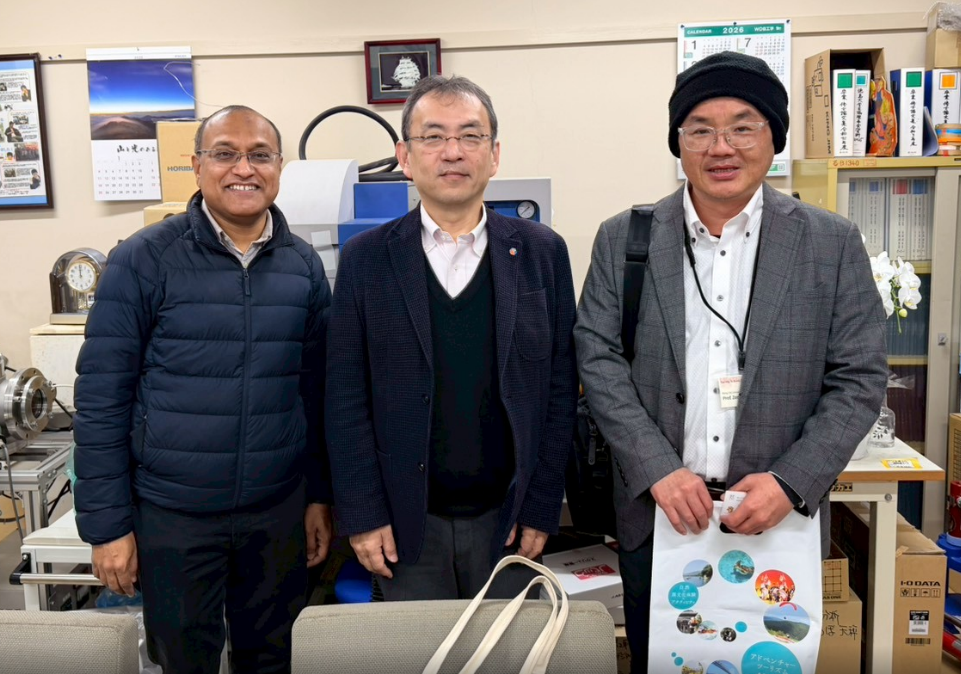
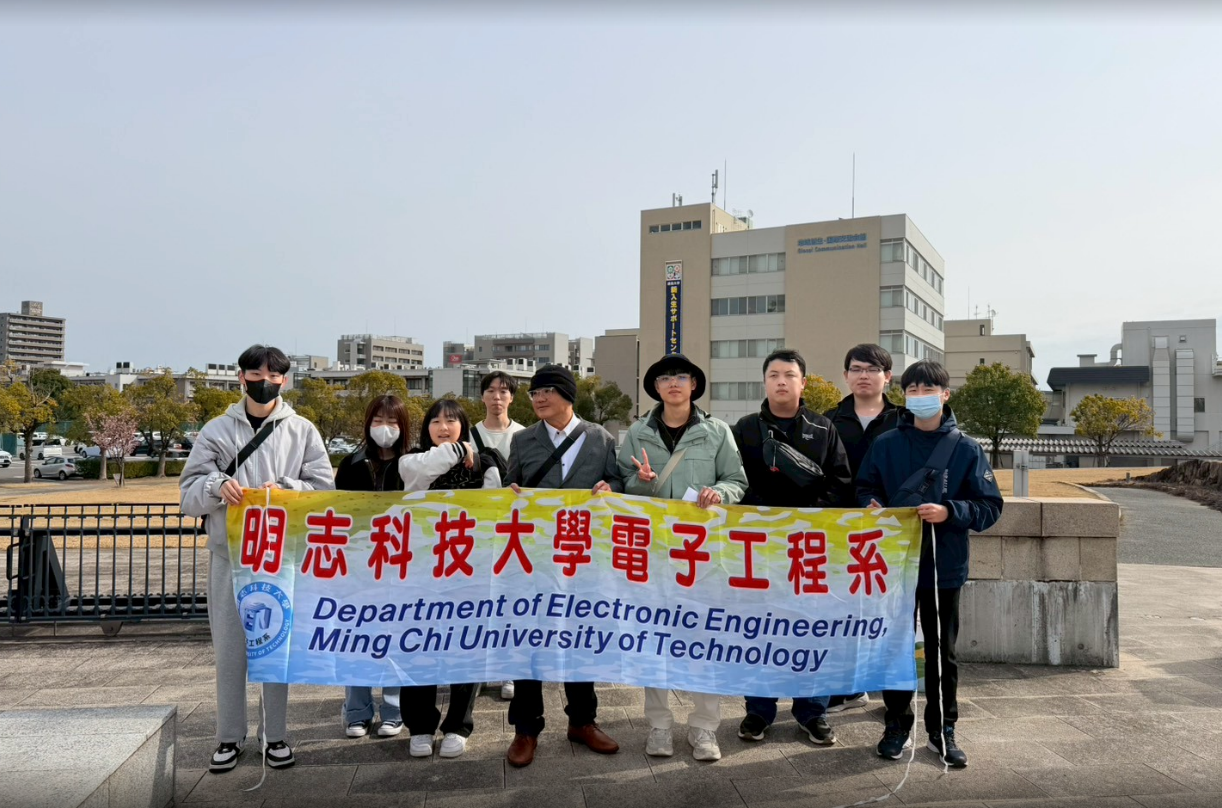
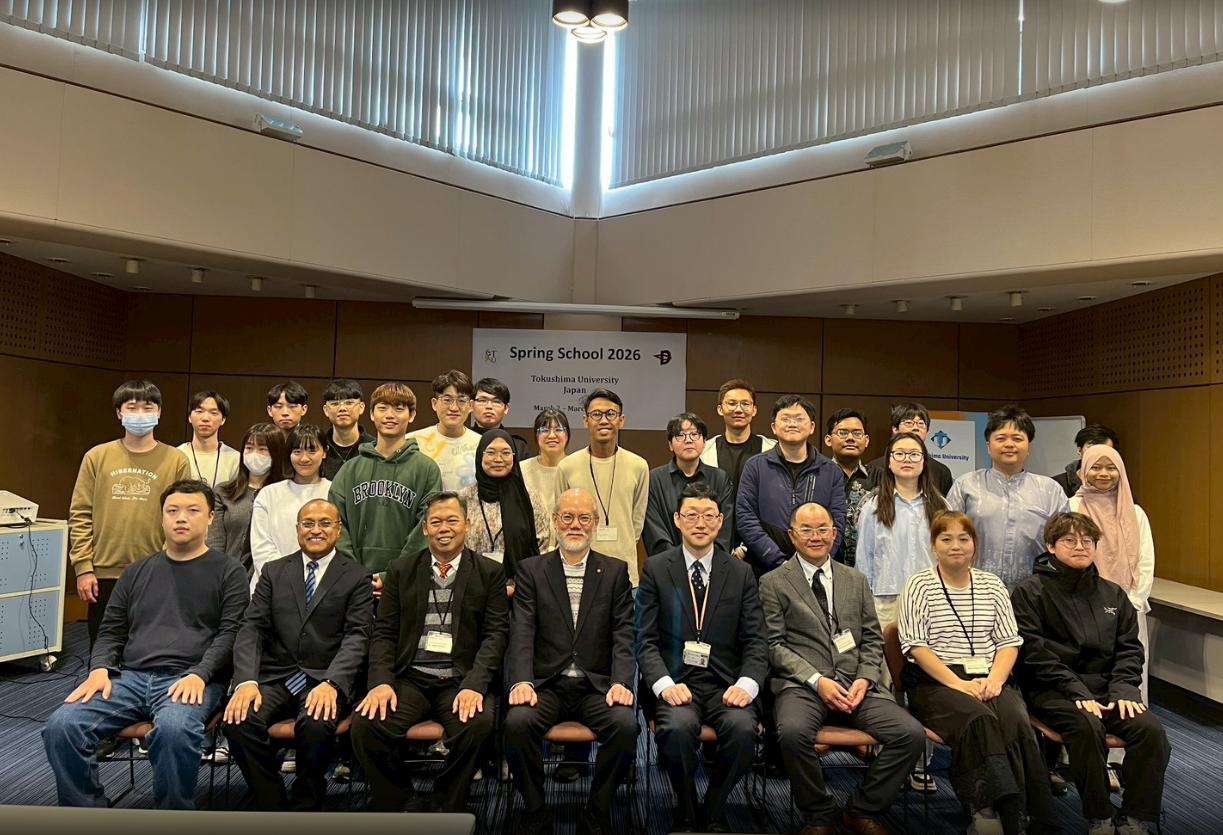
To strengthen international academic exchange and broaden students’ global perspectives, the Department of Electronic Engineering at Ming Chi University of Technology led a delegation to Tokushima University in Japan from March 1 to 7 to participate in the “Spring School 2026” international exchange program.
Event Information: Tokushima University「Spring School 2026」
Tokushima University Introduction: Tokushima University Graduate School of Sciences and Technology for Innovation
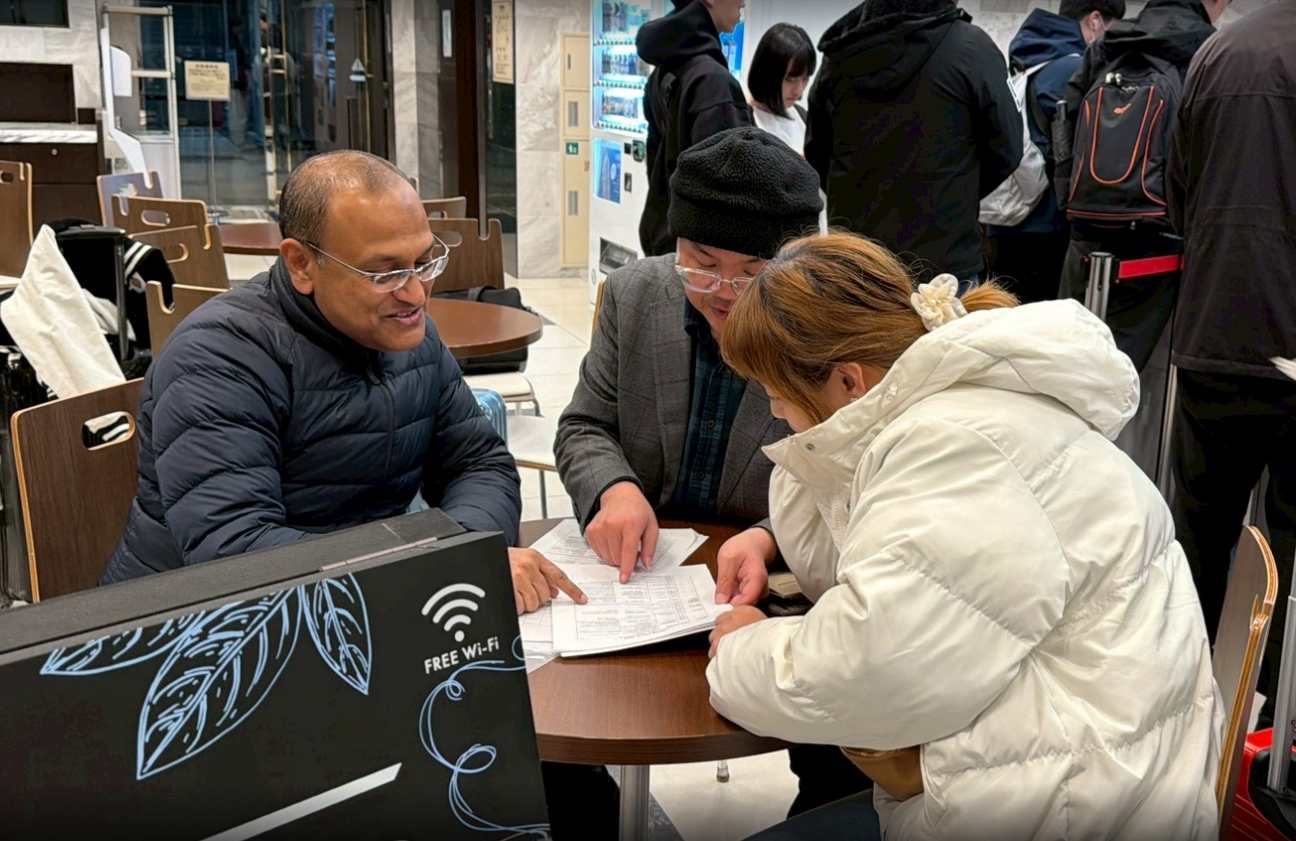
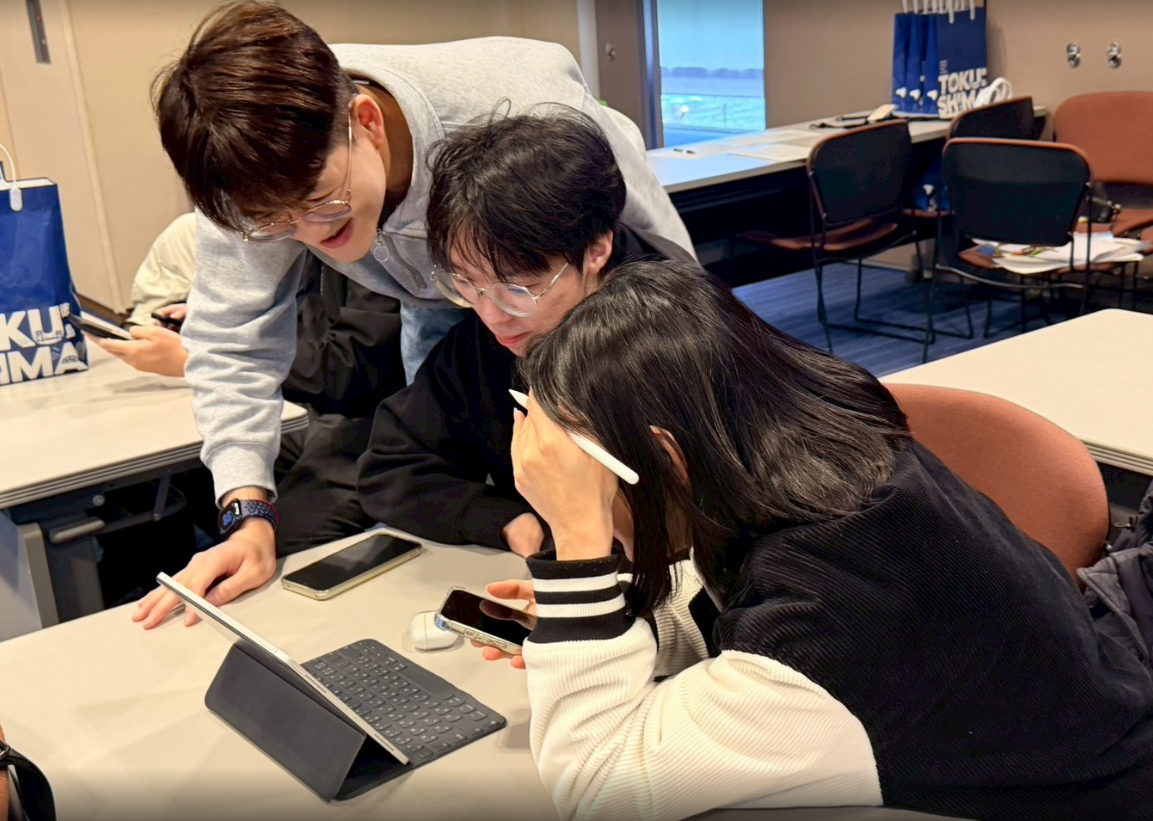
This program brought together faculty members and students from Taiwan, Japan, Indonesia, and Malaysia, creating a cross-cultural and interdisciplinary academic environment. The opening session was hosted by the Office of International Affairs at Tokushima University, introducing the overall program structure and learning objectives. The program covered key themes related to sustainable development, including artificial intelligence, renewable energy, climate change, and food issues. In addition to keynote lectures, the program included campus and laboratory visits, as well as multinational group discussions starting from the second day. Students worked collaboratively with peers from different countries to select topics, collect information, exchange ideas, and present their findings in English at the final session. This issue-oriented and team-based learning approach not only aligns with global SDGs trends but also corresponds to Ming Chi University of Technology’s commitment to engineering education accreditation and sustainable development.
Professional Practice and Interdisciplinary Learning
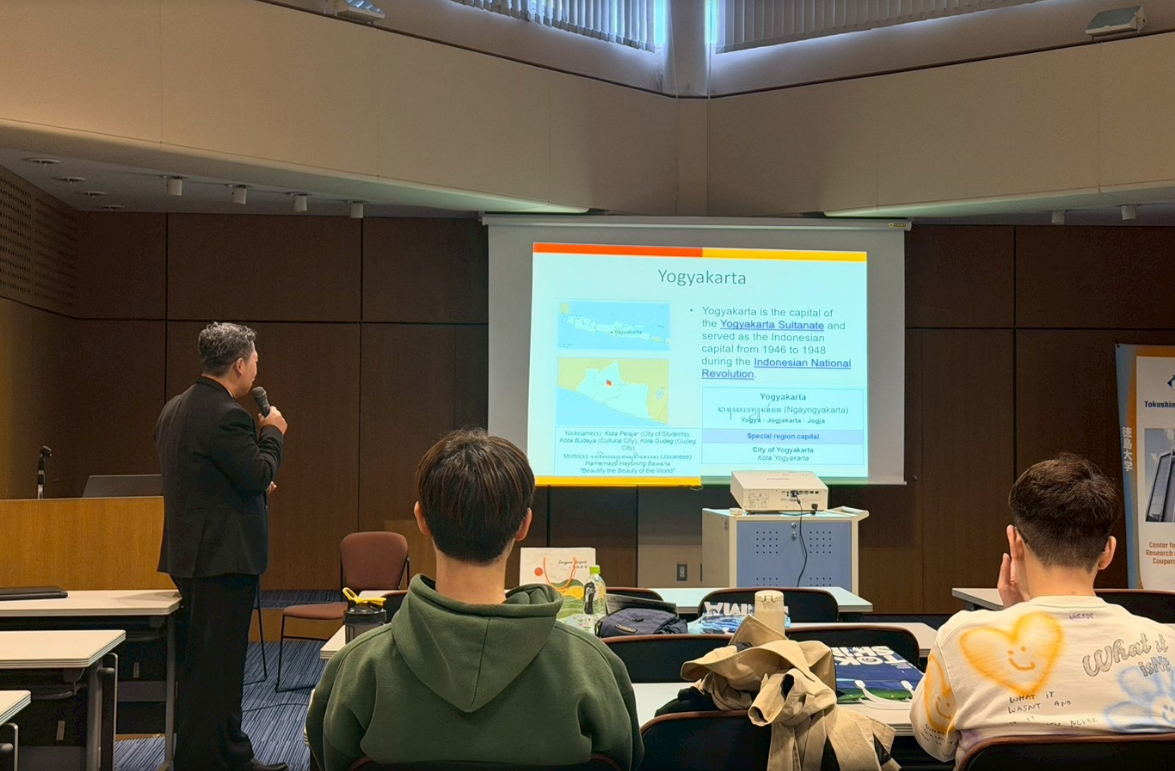
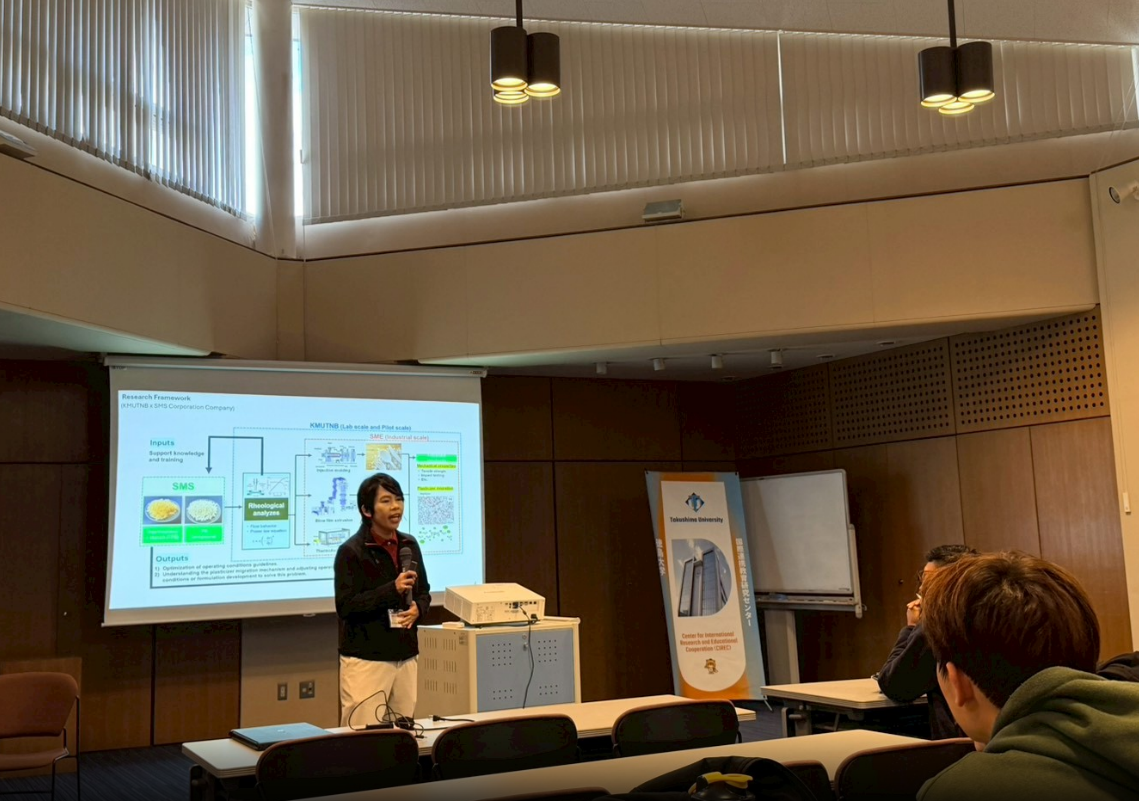
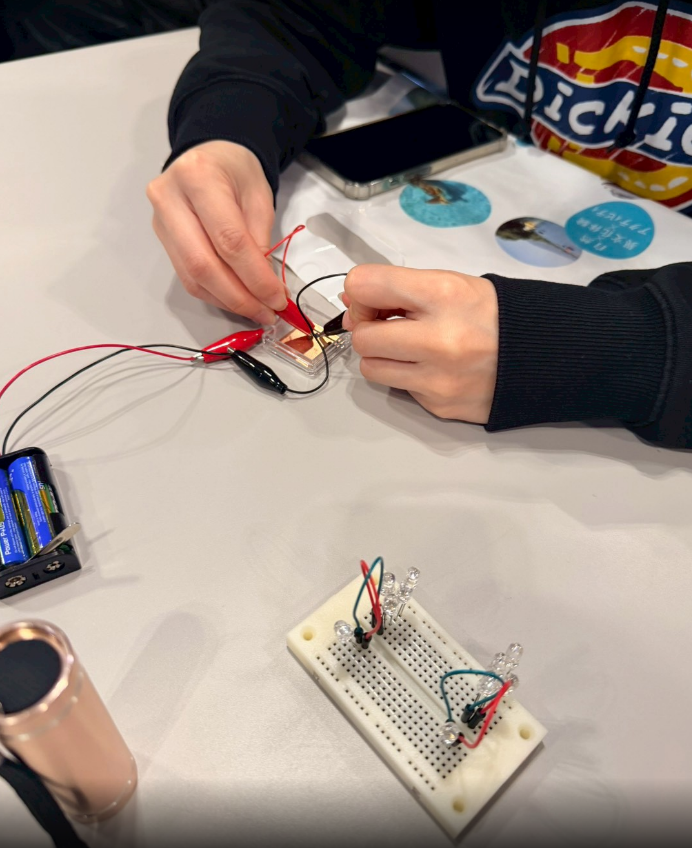
In terms of professional learning, the program featured a series of inspiring lectures and hands-on activities. For instance, a nanophotonics experiment led by a research team at Tokushima University allowed students to directly observe applications in deep ultraviolet and near-infrared wavelengths, transforming abstract theories into tangible experiences. Graduate students from Ming Chi University of Technology also took the initiative to assist and guide students from other countries, demonstrating their expertise in optoelectronics as well as their English communication skills. In addition, scholars from Indonesia and Thailand shared case studies on soil and water conservation and research on the application of biomaterials in sustainable energy. These presentations, based on diverse geographical and industrial contexts, enabled students to understand the interaction between the environment and technology from multiple perspectives and further develop interdisciplinary integration skills.
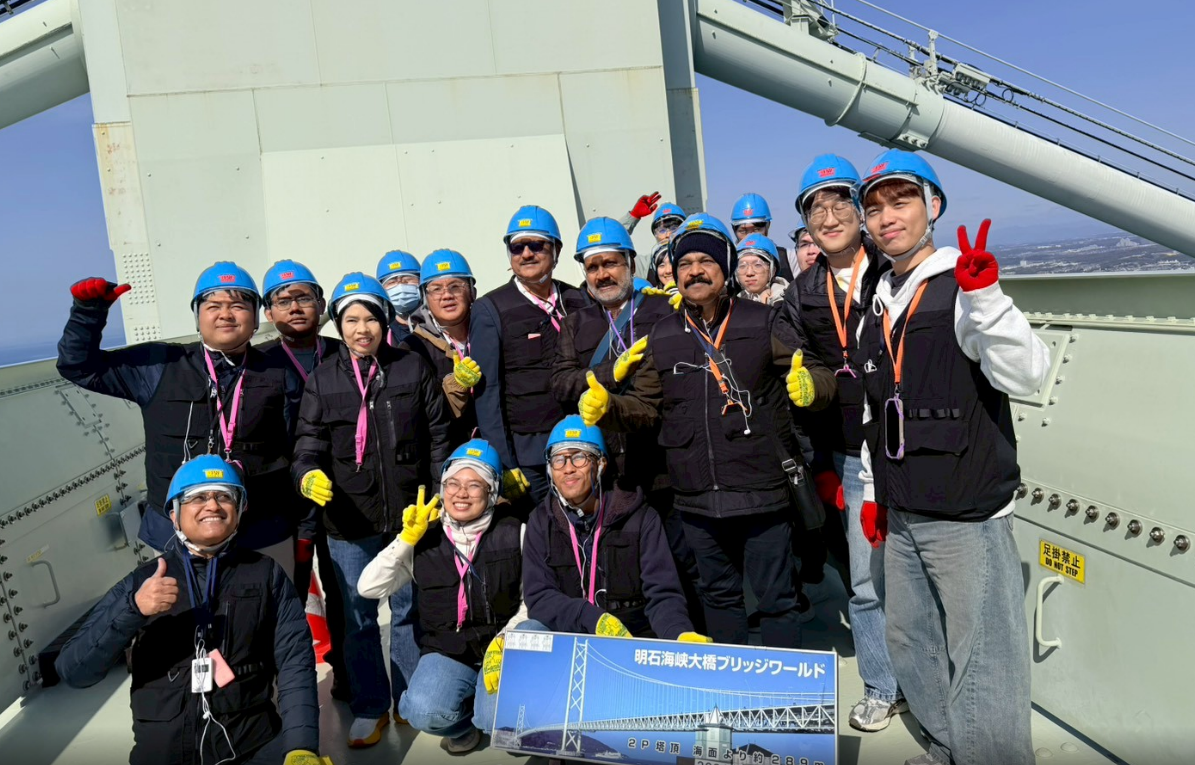
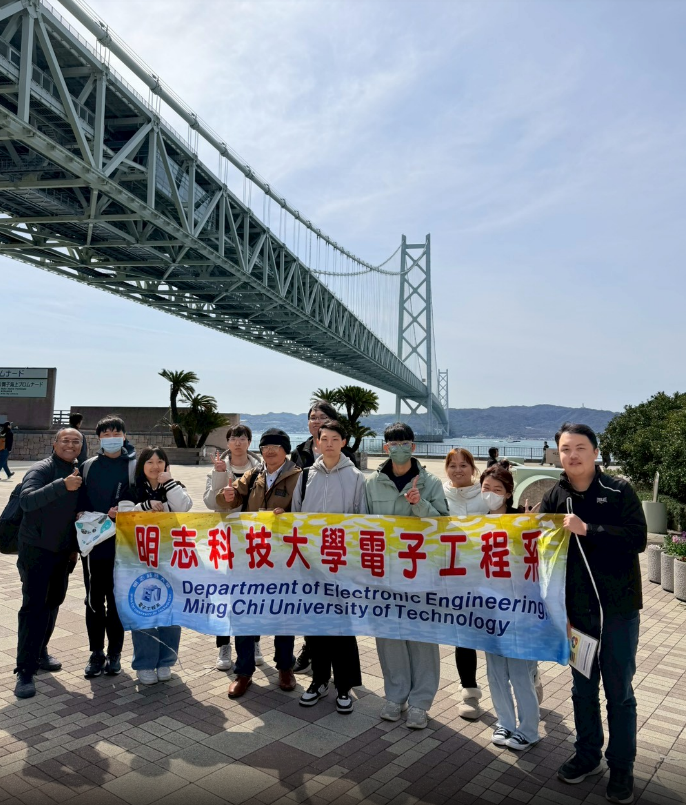
Beyond academic activities in classrooms and laboratories, off-campus visits were also a major highlight of the program. Faculty members and students visited the famous Naruto Strait in Tokushima to observe the Naruto whirlpools formed by tidal and geographical differences. By taking a sightseeing boat, participants experienced the natural phenomenon up close and gained a deeper understanding of the underlying scientific principles. They also visited the Naruto Park observatory to overlook the strait and appreciate its scenic beauty from different perspectives. In terms of engineering visits, the group traveled to Hyogo Prefecture to participate in a guided tour of the Akashi Kaikyo Bridge, where they learned about its construction history, seismic design, and maintenance technologies. Participants even ascended to the top of the main tower, approximately 300 meters above sea level, experiencing firsthand the magnificence of large-scale engineering integrated with the natural environment. Through such experiential learning, students not only deepened their understanding of engineering technologies but also enhanced their awareness of practical applications.

Outstanding Performance in Final Presentations
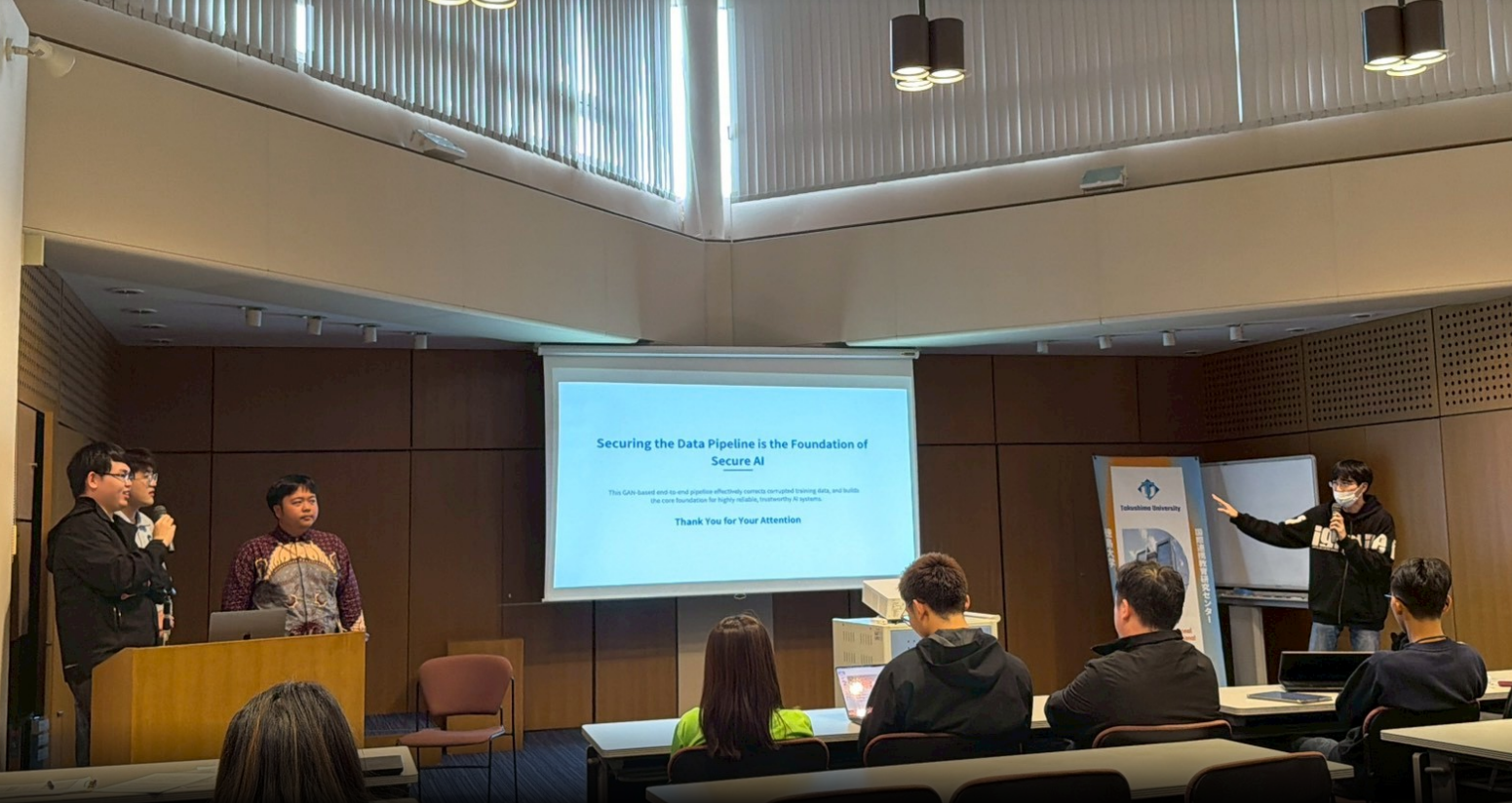
On the final day, students from all participating countries delivered group presentations and engaged in on-site Q&A sessions in English, showcasing the outcomes of several days of international collaboration and discussion. Each group conducted integrated analyses of their selected topics and proposed concrete perspectives and potential solutions, covering areas such as artificial intelligence applications, energy development, and environmental sustainability. During the presentations, students were required not only to clearly explain their research but also to respond to real-time questions from faculty members and peers from different countries, which posed a significant challenge to their language proficiency and critical thinking.
Students from Ming Chi University of Technology demonstrated outstanding performance in the presentations. They showed solid training in both subject knowledge and logical organization. In particular, when discussing topics related to artificial intelligence and energy, students were able to incorporate their own research backgrounds, further elaborating on technical principles and application scenarios, and respond in a structured and coherent manner. During the Q&A sessions, they quickly organized their thoughts and provided clear, persuasive answers in English, reflecting a high level of professionalism and confidence.
Professor Tseng Tsung-Liang, who led the delegation, noted that students made remarkable progress in English expression and international communication within just a few days of intensive interaction and training. From initial nervousness about presenting in front of an audience to confidently articulating ideas and engaging in in-depth discussions with international peers, their growth was evident. Through participating in real international presentation settings, students not only strengthened their professional communication skills but also enhanced their confidence in engaging with the global academic community, making it one of the most valuable learning outcomes of this exchange program.
Reflections and Future Prospects
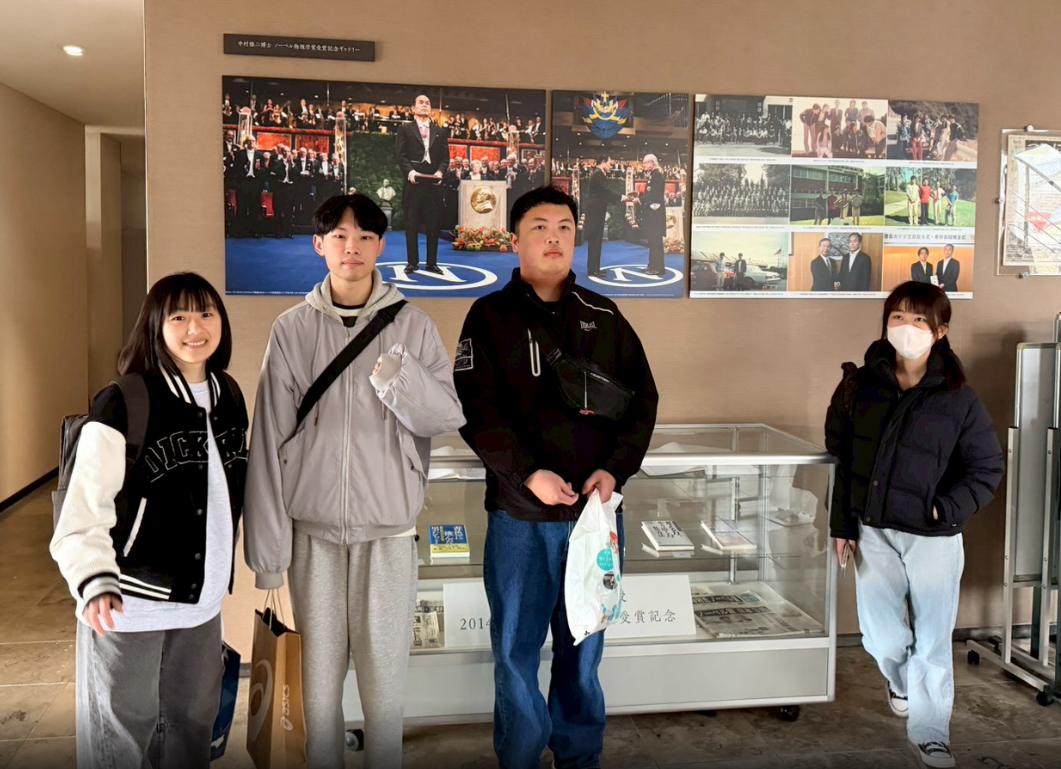
Overall, the Spring School program at Tokushima University provided a highly integrated international exchange platform, yielding fruitful results in terms of academic depth, cultural experience, and interpersonal interaction. Through close collaboration with students from multiple countries, participants not only broadened their global perspectives but also developed cross-cultural communication skills and built international networks. At the end of the program, faculty members and students strolled along streets lined with blooming cherry blossoms, bringing the journey to a warm and memorable conclusion.
This experience also offered valuable insights for future curriculum and program planning. Compared with traditional one-to-one institutional exchanges, Tokushima University’s model of involving multiple international institutions enhanced both the scale and level of interaction, serving as a valuable reference for future initiatives. Moving forward, Ming Chi University of Technology plans to integrate such approaches with existing gPBL programs, expand international participation, and design more systematic exchange activities. Incorporating graduate-level research presentations will further enhance the depth and breadth of academic exchange.
The successful completion of this program was made possible through the full support of the university and related personnel. Despite the tight preparation schedule and the need to manage ongoing administrative responsibilities during the trip, all challenges were effectively addressed with collective effort. Students performed exceptionally well throughout the program, demonstrating strong discipline, cooperation, and learning attitudes. In the future, Ming Chi University of Technology will continue to promote international exchange and cultivate engineering talents equipped with professional expertise and global vision, contributing to the internationalization of higher education.