
GPBL & GUSR 2025: IoT Smart Living Innovations between Telkom University and MCUT
GLOBAL PROJECT-BASED LEARNING (GPBL) AND GLOBAL UNIVERSITY SERVICE RESPONSIBLE (GUSR) 2025:
IOT APPLICATION SOLUTION IN SMART LIVING 2025: Strengthening Telkom University Indonesia– Ming Chi University of Technology Taiwan Academic Collaboration through Innovation and Cultural Exchange
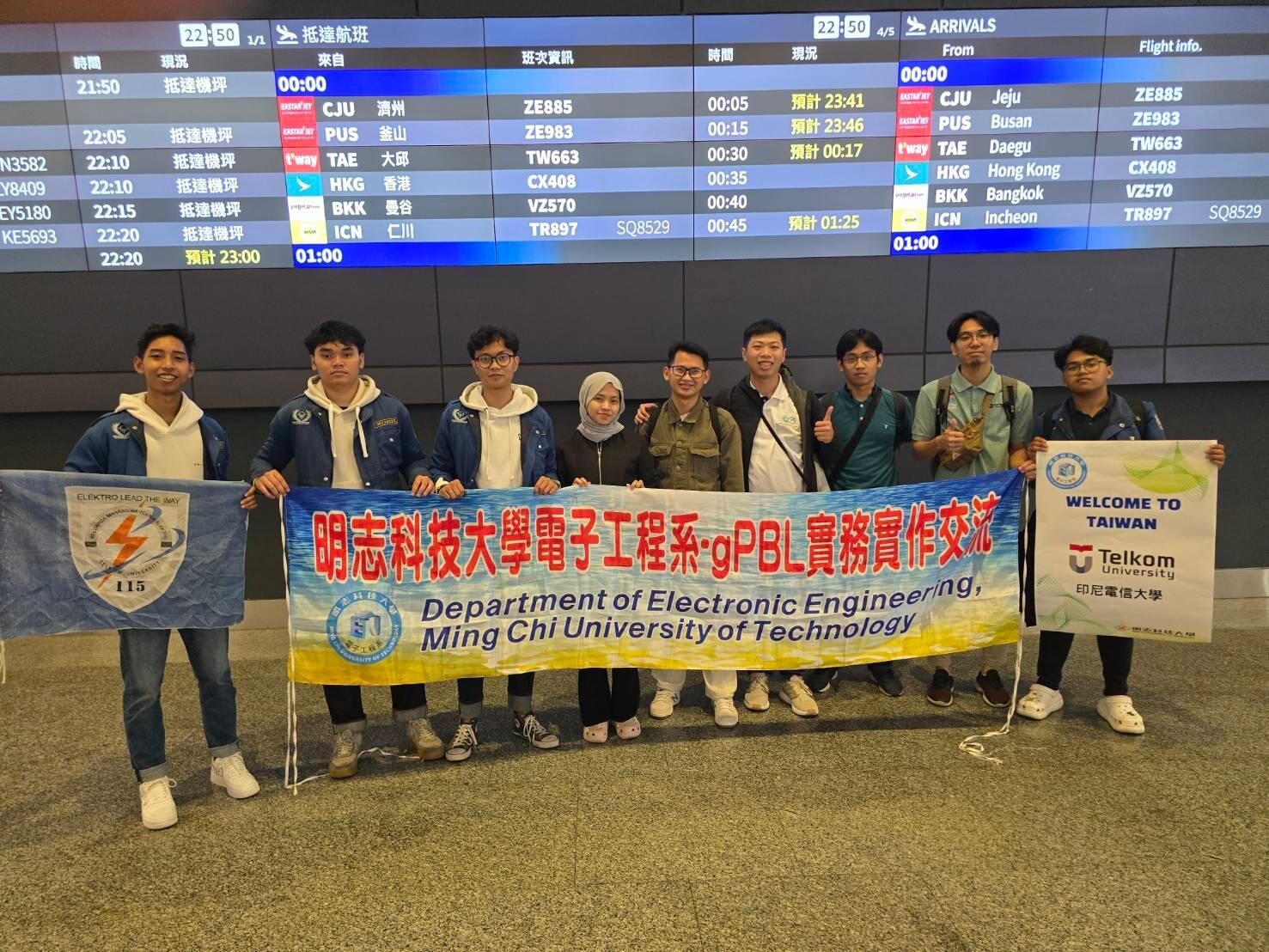
The Global Project-Based Learning (GPBL) and Global University Service Responsible (GUSR) 2025 program, hosted by Ming Chi University of Technology (MCUT), Taiwan, successfully brought together students from Telkom University (TelU), Indonesia, and MCUT in an intensive, collaborative international learning experience. Designed to merge technical innovation with intercultural competence, the program spanned seven days and aimed to produce community-oriented solutions that can be further developed and applied in the real world.
Diverse and Collaborative Team Formation
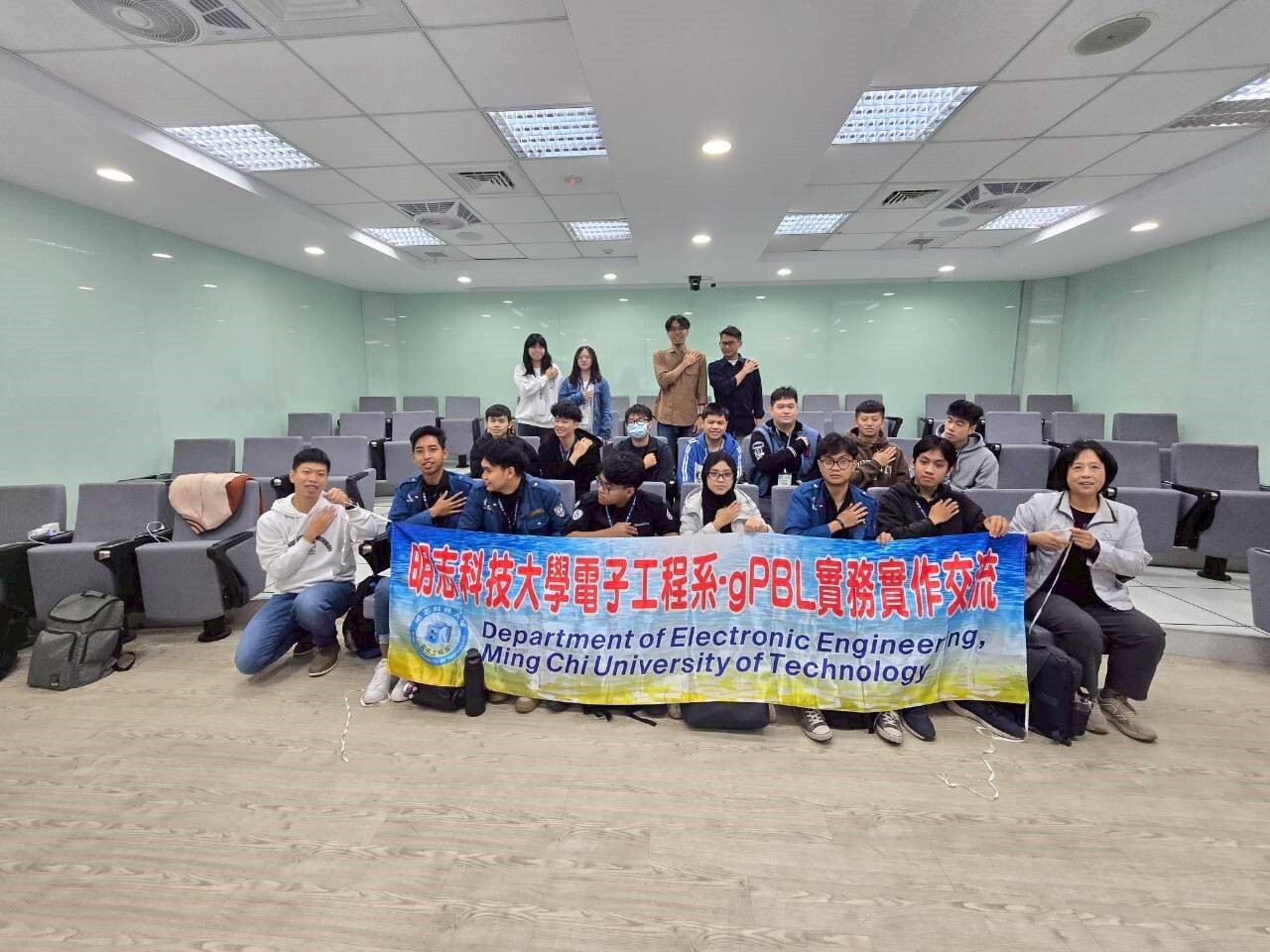
One of the core strengths of the program was the creation of mixed teams consisting of both TelU and MCUT students. These teams were strategically formed to encourage cross-cultural collaboration, interdisciplinary thinking, and the sharing of diverse academic backgrounds. Based on the official grouping, the students were divided into three teams.
Each team collaborated intensively throughout the week, combining their cultural insights, academic knowledge, and creative approaches to build meaningful project prototypes.
A Week of Innovation, Exploration, and Cultural Immersion
The seven-day program followed a comprehensive and dynamic schedule, beginning with the arrival of the TelU delegation in Taiwan. This first day allowed the Indonesian students to acclimate to their new environment while preparing for the upcoming activities.
The second day marked the opening ceremony, where students were welcomed by faculty and introduced to the objectives of GPBL and GUSR. Ice-breaking sessions and formal team assignments helped build early rapport among participants.
On the third day, students began the initial stages of brainstorming, research, and project conceptualization. They explored various themes and problems, focusing on impactful solutions that could benefit communities in Indonesia, Taiwan, or broader global contexts.
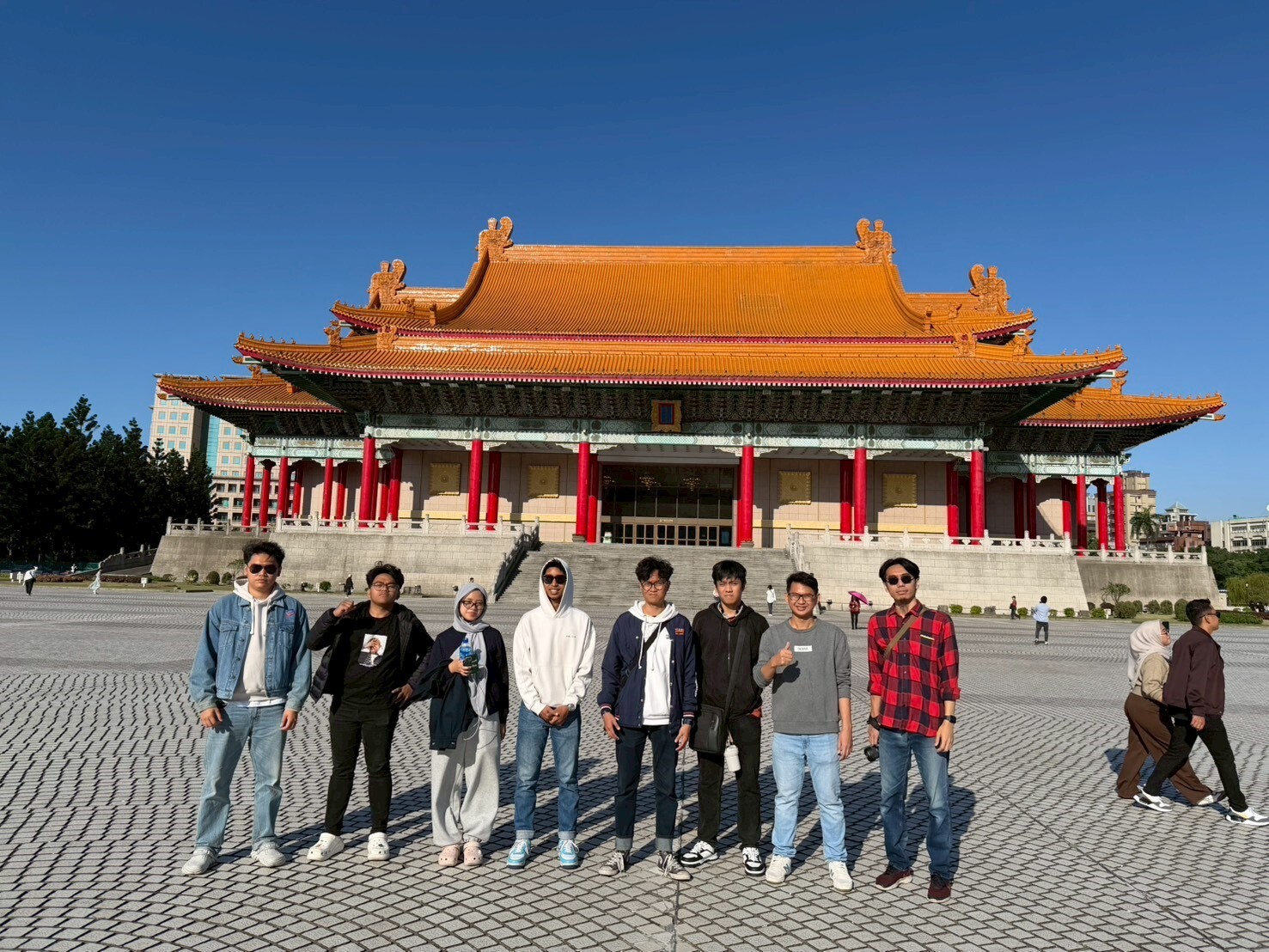
The fourth day was dedicated to a cultural field trip, designed to deepen students’ understanding of Taiwanese history, tradition, and social values. The students visited several prominent landmarks including Old Tamsui, Longshan Temple, the Chiang Kai-shek Memorial Hall, Taipei Grand Mosque, and the iconic Taipei 101. This experience enriched their perspective and provided inspiration for new experience cultural for TelU Students.
Returning to MCUT on day five, the teams continued developing and refining their prototypes, addressing technical challenges and finalizing their project outputs. This stage emphasized teamwork, problem-solving, and time management.
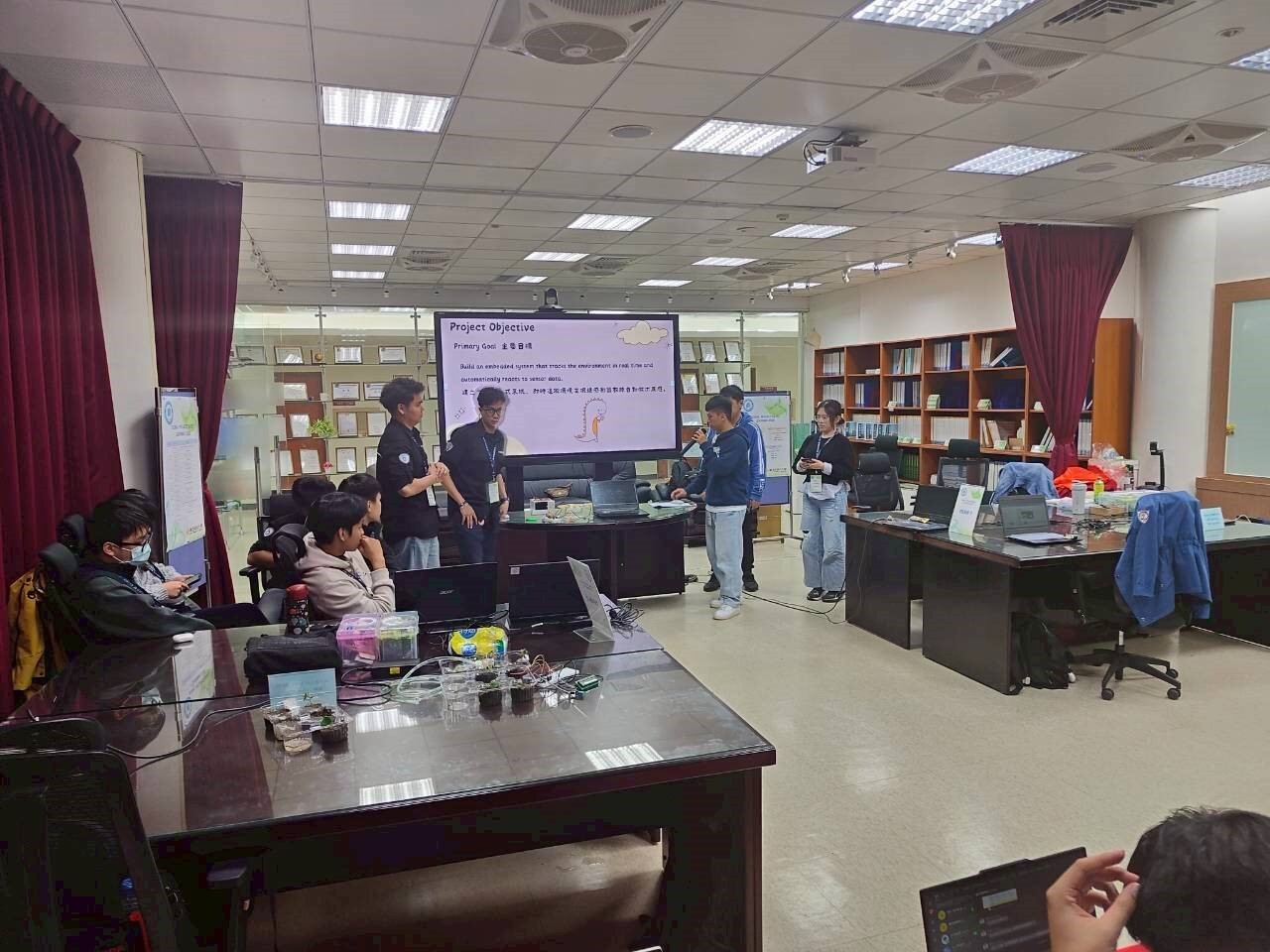
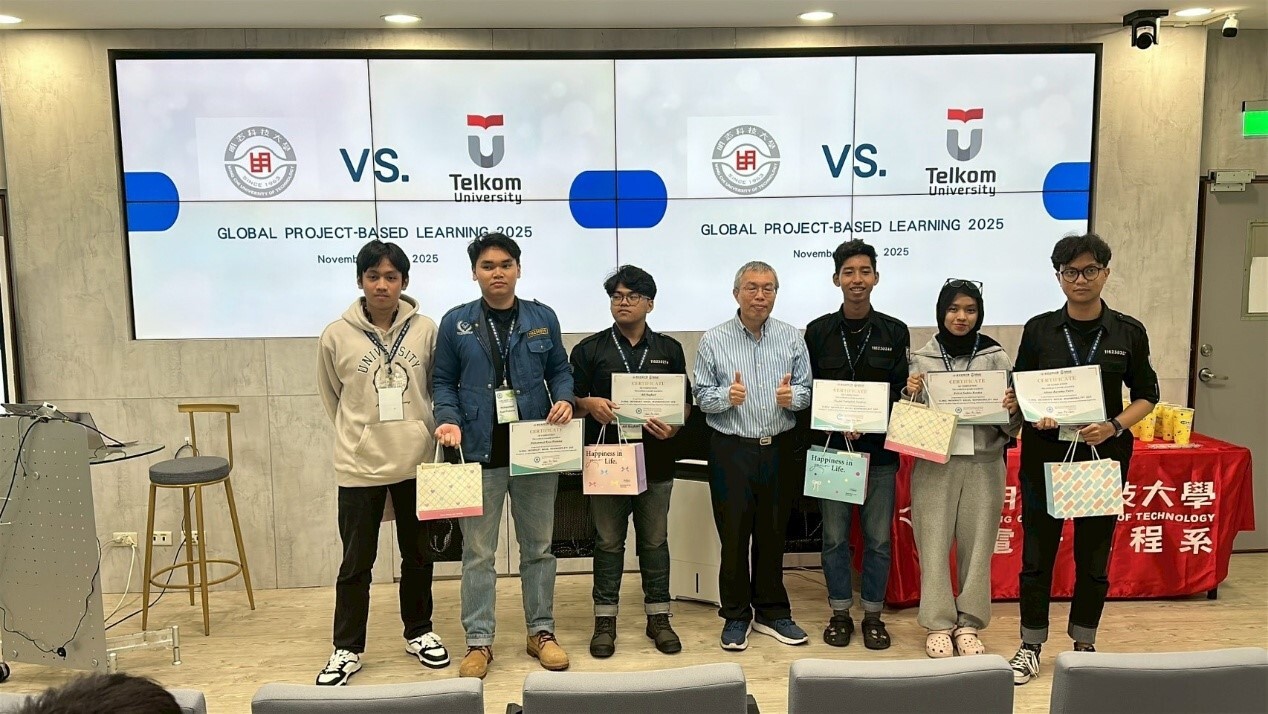
The sixth day was the highlight of the program, featuring the final presentations, a farewell ceremony, and a guided laboratory tour of the Organic Electronic Research Center at MCUT. Students had the opportunity to showcase their projects in front of a panel of esteemed judges from both universities. Representing TelU were Dr. Arif Abdul Aziz and M. Rivaldi Ali Septian, M.Sc., while MCUT was represented by Prof. Ya-fen Wu, Assistant Prof. Luo Dian, and Assistant Prof. Ming-Chung Tang. The judges evaluated the projects based on innovation, technical execution, teamwork, and real-world applicability.
Finally, on day seven, the Telkom University delegation departed Taiwan and returned to Indonesia, concluding a week filled with meaningful collaboration, academic growth, and memorable cultural experiences.
Impact and Future Prospects
The GPBL and GUSR 2025 program not only strengthened academic ties between Telkom University and Ming Chi University of Technology but also demonstrated the effectiveness of project-based learning in developing globally competent graduates. The projects produced during the program are expected to serve as foundational prototypes that can be further improved and implemented in real community settings.
Furthermore, the program showcased the value of international collaboration, where students gain exposure to new perspectives, advanced research facilities, and intercultural communication skills—preparing them to become future leaders and innovators in their fields.